Dirgahayu: A Playful Display Font for Creative Projects
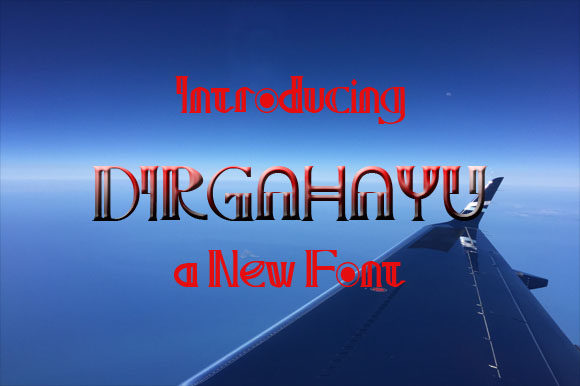
Dirgahayu is a display font that stands out with its playful yet sophisticated design, making it a versatile choice for creative projects. As a unique typeface, Dirgahayu blends elements of modern typography with traditional influences, offering a fresh approach to visual communication. Whether you're designing logos, branding materials, or digital content, this font can elevate your work and capture attention in a meaningful way.
Understanding the Characteristics of Dirgahayu
At first glance, Dirgahayu appears whimsical, but its design is carefully crafted to maintain readability even at larger sizes. The font features rounded edges, open counters, and subtle variations in stroke weight that give it a soft, approachable feel. These characteristics make it particularly well-suited for headings, titles, and other short-form text where visual impact is key.
One of the standout aspects of Dirgahayu is its ability to convey emotion through typography. The curves and flourishes in the letterforms suggest movement and energy, which can be especially effective in marketing materials, event promotions, or children's content. This emotional resonance is something that many similar fonts lack, setting Dirgahayu apart from more conventional display typefaces.
Comparing Dirgahayu with Similar Fonts
When evaluating Dirgahayu against other display fonts, it’s important to consider both aesthetics and functionality. Fonts like Quicksand or Montserrat are popular choices for their clean, modern look, but they often prioritize minimalism over expressiveness. In contrast, Dirgahayu offers a more dynamic presence without sacrificing legibility.
Another common alternative is Great Vibes, which shares Dirgahayu’s playful nature. However, Great Vibes tends to be more ornate and may not be as suitable for longer blocks of text. Dirgahayu, on the other hand, maintains clarity even when used for extended passages, making it a more practical option for a wider range of applications.
For those looking for something with a more traditional feel, Playfair Display might be considered. While Playfair Display exudes elegance and refinement, it lacks the lightheartedness that makes Dirgahayu so distinctive. Choosing between these options depends largely on the tone and purpose of the project at hand.
Strengths and Tradeoffs of Using Dirgahayu
The primary strength of Dirgahayu lies in its ability to evoke emotion and create a memorable visual impression. Its playful design can help brands stand out in a crowded market, especially when targeting younger audiences or promoting fun, engaging products.
However, there are some tradeoffs to consider. Because of its stylized nature, Dirgahayu may not be the best choice for formal documents, academic writing, or anything requiring a high level of professionalism. In such cases, a more neutral font would likely be more appropriate.
Additionally, while Dirgahayu works well in print and digital formats, it may require careful spacing and sizing adjustments to ensure optimal readability across different media. This means that designers need to invest time in fine-tuning the layout when using this font.
Best-Fit Situations for Dirgahayu
Dirgahayu shines in situations where a touch of personality and creativity is desired. It is ideal for use in branding, social media graphics, invitations, and promotional materials. For example, a boutique clothing store looking to create a youthful and vibrant brand identity could benefit greatly from incorporating Dirgahayu into their logo and advertising campaigns.
In the realm of digital content, Dirgahayu can enhance the visual appeal of blog headers, landing pages, and website banners. Its versatility allows it to adapt to various color schemes and background designs, making it a flexible tool for web designers.
Moreover, Dirgahayu is an excellent choice for educational materials aimed at children or for any project that aims to foster a sense of playfulness and engagement. Its design encourages interaction and can help make complex information more accessible and enjoyable.
When to Consider Alternative Fonts
While Dirgahayu has many strengths, there are instances where another font might be more suitable. If the goal is to communicate authority, trustworthiness, or formality, a serif font like Georgia or a sans-serif like Helvetica Neue would be better choices.
Similarly, if the project involves a lot of body text, a font with higher readability and less stylistic flair would be preferable. In these cases, fonts such as Open Sans or Roboto offer a balance between aesthetics and functionality that Dirgahayu does not provide.
It's also worth noting that Dirgahayu may not render consistently across all platforms or devices. Designers should always test how the font appears on different screens and browsers to ensure that it meets the intended visual standards.
Evaluating the Right Choice for Your Project
Selecting the right font ultimately depends on the specific needs and goals of your project. Dirgahayu is an excellent option for those who want to add a unique and expressive element to their designs. However, it's essential to evaluate whether this font aligns with the overall message and tone of the content.
Consider factors such as audience demographics, brand identity, and the context in which the font will be used. If the goal is to create a bold statement or inject some fun into a design, then Dirgahayu is a strong candidate. On the other hand, if the focus is on clarity, consistency, or professionalism, exploring other options may be more beneficial.
By carefully assessing these variables, you can determine whether Dirgahayu is the right fit for your project or if another font would serve your needs better. Ultimately, the best font is one that enhances the message and supports the overall design without overshadowing it.