Cheer Up: A Unique Display Font for Creative Projects
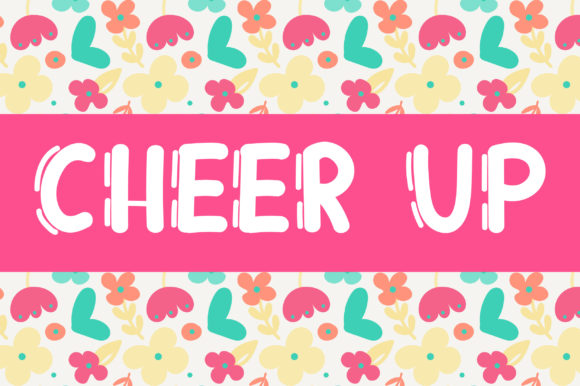
Cheer Up is a display font that stands out with its playful and charming design, making it perfect for creative projects that need a touch of personality. Whether you're designing logos, crafting social media posts, or creating marketing materials, Cheer Up can elevate your visuals and capture attention in a unique way. Its distinct style offers an opportunity to express creativity without falling into the trap of overused or generic fonts.
Many designers and creators are drawn to Cheer Up because of its versatility and aesthetic appeal. It works well for headlines, banners, and other prominent text elements where a bold statement is needed. However, there are common pitfalls when choosing and using this font that can affect the overall effectiveness of your design.
Common Mistakes When Choosing Cheer Up
One of the most frequent mistakes is selecting Cheer Up without considering the context of the project. While it's a great choice for fun and lighthearted content, it may not be appropriate for more formal or professional settings. Using it inappropriately can lead to a mismatch between the message and the visual tone, which might confuse the audience or dilute the intended impact.
Another mistake is assuming that Cheer Up will work well in all sizes and formats. Like many display fonts, it is best suited for larger text where its details can be fully appreciated. Using it in small sizes or on low-resolution screens can result in poor legibility and a less polished appearance.
How to Use Cheer Up Effectively
To avoid these issues, it's important to evaluate the context of your project before choosing Cheer Up. Ask yourself whether the tone of the message aligns with the font's playful nature. If you're creating a branding identity for a children's toy company, Cheer Up could be an excellent fit. However, if you're designing a financial report, a more traditional font would likely be more appropriate.
Additionally, ensure that Cheer Up is used in a size that allows its features to shine. For web designs, consider using it for headlines or call-to-action buttons rather than body text. This approach maintains readability while still leveraging the font's charm.
Checking Before You Commit
Before finalizing your design, take the time to review how Cheer Up interacts with other elements on the page. Consider factors such as color contrast, spacing, and alignment. A font that looks great in isolation may not perform as well when paired with specific colors or layouts.
It's also wise to test Cheer Up across different devices and screen sizes. What looks perfect on a desktop monitor might appear cluttered or unclear on a mobile phone. Ensuring cross-device compatibility helps maintain a consistent user experience.
Overlooked Details About Cheer Up
A common oversight is not exploring the full range of weights and styles available within the Cheer Up font family. Many display fonts come with variations such as bold, italic, or condensed versions that can offer more flexibility in design. Taking the time to explore these options can help you find the perfect match for your project without having to switch fonts entirely.
Another overlooked detail is the licensing agreement that comes with Cheer Up. Some fonts have restrictions on commercial use or require attribution. Always read the license terms carefully to avoid any legal issues down the line.
Practical Tips for Better Results
To make the most of Cheer Up, start by defining the purpose of your design. Are you aiming for a whimsical look? A bold statement? Once you have a clear goal, you can better assess whether Cheer Up is the right choice and how to use it effectively.
Experiment with different combinations of Cheer Up and other fonts to create visual harmony. Pairing it with a clean sans-serif font for body text, for example, can provide a balanced and visually appealing layout.
Finally, don't hesitate to seek feedback from others. Sometimes, a fresh perspective can highlight issues you might not have noticed, such as legibility problems or stylistic inconsistencies.
Conclusion
Cheer Up is a delightful display font that can bring a unique flair to your creative projects. By understanding its strengths and limitations, you can avoid common mistakes and ensure that it enhances rather than detracts from your design. With thoughtful consideration and practical application, Cheer Up can become a valuable tool in your creative arsenal, helping you stand out in a crowded digital landscape.