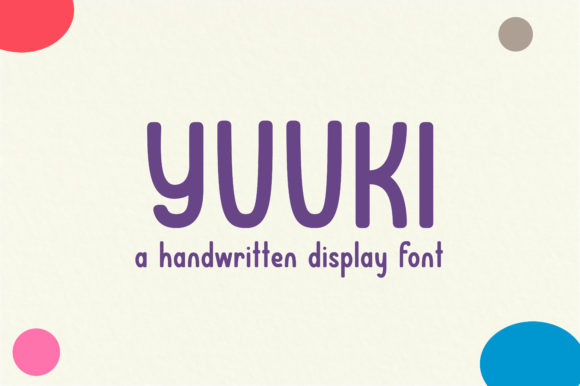
Yuuki: A Versatile Display Font for Creative and Professional Workflows
Yuuki is a fun and simple display font that brings a friendly, approachable feel to any design. Its clean lines and warm character make it ideal for a wide range of applications, from branding to personal projects. Whether you're working on a website, social media content, or print material, Yuuki can enhance the visual appeal of your work without overwhelming the viewer.
Understanding Yuuki and Its Role in Design
Yuuki is a sans-serif font with rounded edges and a slightly playful tone. It’s designed to be readable at various sizes while maintaining a sense of charm and simplicity. This makes it suitable for both digital and print environments, where legibility and aesthetic appeal are important.
In the context of design workflows, Yuuki can serve as a primary or secondary font depending on the project's needs. It works well with other fonts that have a more formal or structured look, allowing for a balanced contrast in typography.
When to Use Yuuki in Your Projects
You can integrate Yuuki into your workflow at different stages:
- Before a project: Use Yuuki when brainstorming ideas or creating mood boards. Its friendly appearance can inspire creativity and set a positive tone for your work.
- During a project: Apply Yuuki to headlines, call-to-action buttons, or section titles in web and app designs. It adds personality without distracting from the content.
- After a project: Incorporate Yuuki into final presentations, marketing materials, or client deliverables to give them a polished yet approachable finish.
Integrating Yuuki into Digital and Print Media
One of the strengths of Yuuki is its compatibility with various platforms and tools. Whether you're using graphic design software like Adobe Illustrator or Canva, or coding directly with HTML and CSS, Yuuki can be easily implemented.
For web developers, adding Yuuki to a project involves including the font file or linking to a web font service such as Google Fonts. This ensures that the font is accessible across different devices and browsers, maintaining consistency in how it appears to users.
In print design, Yuuki remains legible even at smaller sizes, making it suitable for brochures, flyers, and packaging. Its soft curves also contribute to a visually pleasing layout, especially when paired with images or illustrations that have a similar style.
Pairing Yuuki with Other Fonts
To create a cohesive design, consider pairing Yuuki with complementary fonts. For example:
- Serif fonts: Pair Yuuki with a serif font like Georgia or Times New Roman for a classic, professional look.
- Modern sans-serif fonts: Combine Yuuki with fonts like Montserrat or Open Sans for a contemporary feel.
- Script fonts: Use Yuuki alongside script fonts for a more artistic or handwritten appearance.
These pairings help maintain visual balance while ensuring that the text remains easy to read and aesthetically pleasing.
Practical Tips for Using Yuuki in Your Workflow
To get the most out of Yuuki, follow these practical tips:
- Use it for headings and subheadings: Yuuki's friendly tone works well for drawing attention to key sections of your content.
- Limit its use: While Yuuki is versatile, overusing it can reduce its impact. Reserve it for elements where its character can shine.
- Test it across devices: Ensure that Yuuki displays correctly on different screen sizes and resolutions to maintain a consistent user experience.
- Experiment with spacing and color: Adjust letter spacing and choose colors that complement Yuuki's design to enhance readability and aesthetics.
Long-Term Use and Consistency
When incorporating Yuuki into long-term projects or brand identities, consistency is key. Establish guidelines for how and when to use the font, and ensure that all team members follow these rules to maintain a unified visual identity.
Additionally, keep an eye on updates or new versions of Yuuki that may offer improved features or additional styles. Staying up-to-date helps ensure that your designs remain fresh and relevant over time.
Yuuki in Different Industries and Use Cases
Yuuki's versatility allows it to be used across various industries and use cases:
- Marketing and advertising: Use Yuuki in promotional materials, banners, and social media posts to create a friendly and engaging brand image.
- Education and publishing: Incorporate Yuuki into educational resources, e-books, and learning platforms to make content more approachable and visually appealing.
- Freelance and creative work: Add Yuuki to your portfolio, website, or project proposals to showcase your creativity and professionalism.
- Small business owners: Use Yuuki in signage, packaging, and online store designs to attract customers and stand out from competitors.
No matter the industry, Yuuki offers a unique blend of simplicity and charm that can elevate your designs and help your message resonate with your audience.
Ensuring Quality and Efficiency
When implementing Yuuki into your workflow, focus on quality control and efficiency. Make sure that the font is properly licensed and that you're using the correct format for your platform. If you're working in a team, establish clear documentation about how to use Yuuki consistently across all projects.
Automate the process where possible, such as by setting up templates or presets in your design software. This helps streamline your workflow and reduces the risk of inconsistencies or errors.
Finally, take the time to review and refine your designs after applying Yuuki. Small adjustments can make a big difference in how your work is perceived and received by others.
By integrating Yuuki thoughtfully into your creative and professional workflows, you can enhance the visual appeal of your projects while maintaining clarity and professionalism. Its friendly and approachable nature makes it a valuable asset in any designer's toolkit, whether you're working on a small personal project or a large-scale campaign.