Typo Layer: A Dual-Layer Font for Creative Expression
Typography is more than just choosing a font—it's about storytelling, personality, and visual impact. Enter Typo Layer, an innovative dual-layer font that invites you to explore the beauty of abstract shapes through endless combinations. Whether you're designing a logo, crafting a magazine layout, or building a brand identity, this font offers a fresh approach to typography that feels both modern and expressive.
What Makes Typo Layer Unique?
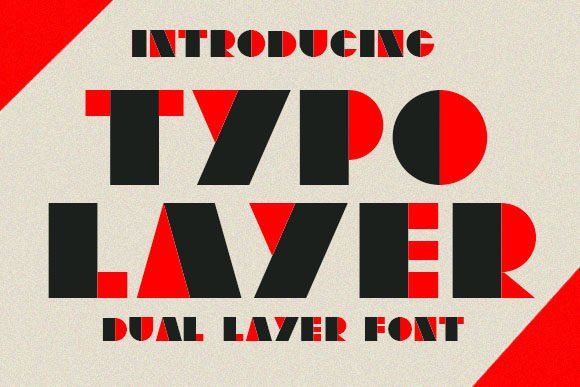
Typo Layer stands out with its two distinct layers—each designed to complement or contrast the other. The base layer provides a solid foundation, while the top layer adds texture, movement, or visual interest. This dual-layer structure allows for creative experimentation, making it a versatile tool for designers who want to push boundaries without sacrificing readability.
The font’s personality is eclectic yet refined. It balances geometric precision with organic flow, creating a style that feels both structured and spontaneous. Its abstract shapes invite curiosity, encouraging viewers to engage with the text on a deeper level. This makes Typo Layer ideal for projects that aim to capture attention and spark imagination.
Where Typo Layer Shines
Typo Layer works best in environments where visual hierarchy and brand expression matter most. Here are some key areas where this font can make a real difference:
- Logo Design: The dual-layer effect can create a unique emblem that stands out from traditional logos. Use one layer for the main text and another for subtle embellishments.
- Social Media Graphics: With its eye-catching style, Typo Layer is perfect for headlines, captions, and promotional visuals that need to grab attention quickly.
- Editorial Design: In magazines, newsletters, or blogs, this font can be used for pull quotes, section headers, or special features to add visual interest without overwhelming the reader.
- Packaging Design: From product labels to branded boxes, Typo Layer brings a touch of sophistication and creativity to packaging that helps your brand stand out on the shelf.
- Web Design: When used thoughtfully, this font can enhance user experience by guiding the eye and reinforcing brand messaging through visual consistency.
How Typo Layer Influences Design
Fonts don’t just convey information—they shape how people perceive a brand. Typo Layer has the power to influence everything from readability to audience engagement. Its layered design allows for subtle variations in weight and texture, which can help establish visual hierarchy and guide the reader’s focus.
When used as a display font, Typo Layer can elevate the overall look of a project, adding depth and dimension to otherwise flat text. However, it's important to balance its use with more legible fonts for body copy. This ensures that the design remains functional while still being visually engaging.
The font’s versatility also supports brand consistency. By incorporating Typo Layer into your brand guidelines, you can ensure that all marketing materials maintain a cohesive look across different platforms and mediums.
Practical Tips for Using Typo Layer
To get the most out of Typo Layer, consider these practical tips:
- Test Font Pairings: Experiment with pairing Typo Layer with complementary fonts. Try combining it with a clean sans-serif font for body text or a classic serif font for headings.
- Evaluate Readability: While Typo Layer is great for headlines and accents, avoid using it for long blocks of text. Ensure that the font size and spacing are optimized for clarity.
- Review Included Styles: Check the font family to see what styles are available. Some versions may include bold, italic, or alternate characters that can enhance your design options.
- Consider Commercial Licensing: If you plan to use Typo Layer for commercial projects, make sure to review the licensing terms. Many premium fonts require a license for web or print use, so always confirm the rights before proceeding.
Remember, the goal is to use Typo Layer in a way that enhances your message rather than distracts from it. Let the font’s unique qualities support your content, not overshadow it.
Real-World Applications and Examples
Imagine designing a poster for a music festival. Instead of using a standard headline font, you opt for Typo Layer. The top layer adds a dynamic texture that mimics sound waves, while the base layer ensures the name of the event is clear and readable. This combination creates a memorable visual that reflects the energy of the event.
Or think about a branding project for a boutique coffee shop. Typo Layer could be used for the shop’s logo, with one layer forming the word “Café” and the other adding a stylized wave pattern that evokes the feeling of a cup of coffee. This subtle detail reinforces the brand’s identity and makes it more memorable.
In digital projects, such as a website or app, Typo Layer can be used sparingly for buttons, navigation menus, or call-to-action elements. Its layered effect adds a sense of depth that can make the interface feel more engaging and professional.
These examples show how Typo Layer can be adapted to fit a wide range of creative needs. Whether you’re working on a personal project or a commercial campaign, this font offers a powerful tool for expressing your vision in a unique and compelling way.
With its ability to blend abstract shapes and modern typography, Typo Layer is more than just a font—it’s a creative asset that empowers designers to explore new possibilities in visual communication.