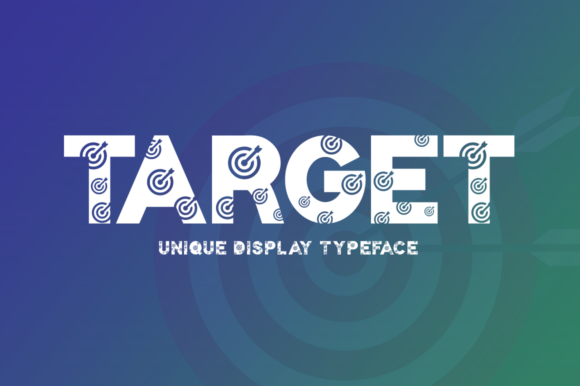
Target: A Bold, Chunky Lettered Font That Elevates Creativity and Design
In the ever-evolving world of design and typography, one font has been making waves among professionals, creators, and entrepreneurs alike. Target is a bold, chunky lettered display font that stands out for its unique aesthetic and versatility. It's not just another typeface; it's a powerful tool that can transform your creative projects and bring them to life in ways you might not have imagined.
What Is Target?
Target is a display font known for its striking visual impact and modern design. Its bold and chunky lettering makes it ideal for headlines, logos, and other prominent text elements. Unlike traditional fonts that prioritize readability across all sizes, Target is crafted to make an impression. It’s designed with a focus on clarity and presence, ensuring that every letter feels intentional and impactful.
This font is part of a growing trend in typography where designers are moving away from conventional sans-serif or serif styles toward more expressive and distinctive options. Target fits perfectly into this movement, offering a fresh take on what a display font can achieve.
The Broader Industry and Market Trends
The design industry is undergoing a significant shift. As digital platforms become more saturated with content, standing out visually is no longer optional—it’s essential. In this context, Target plays a crucial role by helping brands and individuals cut through the noise with a bold and memorable visual identity.
From marketing materials to website headers and social media posts, the use of strong typography like Target has become increasingly popular. This aligns with broader trends in both business and consumer behavior, where first impressions and brand recognition are key factors in success.
Marketers and entrepreneurs are particularly drawn to Target because it allows them to communicate confidence and authority. In a competitive market, this kind of visual language can be the difference between being overlooked and making an impact.
Why People Are Paying Attention to Target
There are several reasons why Target has captured the attention of so many professionals and creatives. First and foremost, it offers a level of uniqueness that’s hard to find in other fonts. In an age where originality is highly valued, having access to a font that stands out is a major advantage.
Secondly, Target is incredibly versatile. While it may appear bold at first glance, it can be adapted to various contexts—whether you're designing a poster, creating a logo, or crafting a headline for a blog post. This adaptability makes it a go-to choice for designers who want to maintain consistency across multiple platforms and mediums.
Moreover, Target resonates with the changing needs and preferences of today’s consumers. Modern audiences crave authenticity and boldness, and they respond positively to brands that reflect these values in their visual presentation. By using Target, businesses can align themselves with these expectations and create a stronger emotional connection with their audience.
Changing Needs and Expectations in the Creative World
The creative landscape is constantly evolving, driven by new technologies, shifting consumer behaviors, and the rise of digital-first strategies. As a result, the tools and resources available to designers have also changed. Typography, once considered a secondary element in design, is now a central component of branding and communication.
With the increasing demand for visually engaging content, the need for standout fonts like Target has grown. Designers are looking for fonts that can convey emotion, personality, and style without sacrificing readability or functionality. Target meets these criteria by combining boldness with clarity, allowing it to be used effectively in both print and digital formats.
Additionally, the rise of remote work and freelance opportunities has led to a greater emphasis on personal branding. For freelancers and entrepreneurs, having a consistent and professional visual identity is crucial. Target can help establish that identity by providing a strong, recognizable typographic element that sets them apart from the competition.
Practical Examples of Target in Action
Let’s look at some real-world examples of how Target can be used effectively:
- Branding and Logos: Many startups and small businesses use Target in their logos to convey strength and confidence. The bold lettering helps the brand stand out, especially in crowded markets.
- Marketing Materials: Posters, flyers, and brochures often feature Target as a headline font. Its chunky style draws attention and reinforces the message of the content.
- Website Design: Web developers and designers incorporate Target into website headers and call-to-action buttons to create a sense of urgency and importance.
- Social Media: On platforms like Instagram and Twitter, Target is used to craft eye-catching captions and hashtags that resonate with followers.
These examples illustrate how Target can be integrated into different aspects of design and marketing, reinforcing its relevance and effectiveness.
Connecting Target to Larger Developments
The popularity of Target isn’t just about the font itself—it reflects larger developments in the creative and business worlds. As we move further into the digital age, the way we consume and interact with information continues to change. Visual content is becoming more dominant, and typography plays a critical role in shaping that experience.
At the same time, there is a growing emphasis on personalization and authenticity in branding. Consumers are more likely to engage with brands that feel genuine and aligned with their values. Target supports this trend by enabling designers to create visuals that are both bold and meaningful.
Furthermore, the integration of AI and automation in design processes has made it easier for professionals to experiment with different fonts and styles. Target benefits from this trend, as it allows users to quickly test and apply the font across various platforms without compromising quality.
Conclusion
Target is more than just a bold, chunky lettered display font—it’s a symbol of creativity, confidence, and innovation. In a world where visual impact is everything, Target provides the perfect solution for professionals, creators, and entrepreneurs looking to elevate their work and stand out from the crowd.
Whether you're designing a logo, crafting a marketing campaign, or building your personal brand, Target offers the versatility and visual power needed to make a lasting impression. As the creative landscape continues to evolve, fonts like Target will remain essential tools for those who want to push boundaries and redefine what’s possible in design.