Artisocrat: A Vintage Display Font for Elegance and Creativity in Design Projects
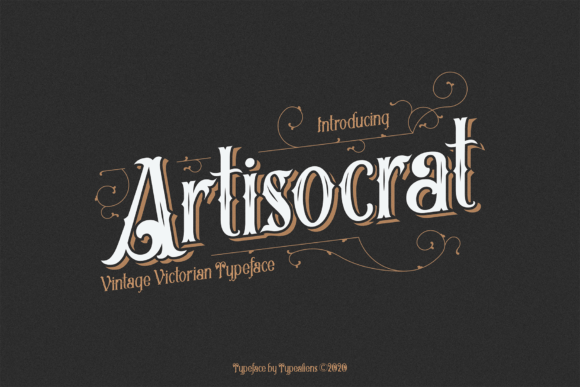
Artisocrat is a display font that brings a touch of vintage charm and elegant sophistication to any design project. With its ornate details and decorative flair, this font stands out as a versatile choice for professionals across various industries. Whether you're working on branding, packaging, logos, or labels, Artisocrat can elevate your work with its unique character and visual appeal.
Understanding the Role of Artisocrat in Design Workflows
Artisocrat fits seamlessly into the broader design process, acting as a stylistic element that enhances the overall look and feel of a project. It is particularly useful during the conceptualization phase where the visual identity of a brand or product is being defined. Its vintage aesthetic makes it ideal for projects that aim to evoke nostalgia or convey a sense of luxury and craftsmanship.
Designers often use Artisocrat in the early stages of a project to establish a strong visual foundation. This helps in aligning creative ideas with the brand's personality and target audience. For instance, when developing a logo for a boutique wine label, using Artisocrat can immediately communicate a sense of elegance and tradition.
Integration with Other Design Tools and Resources
Artisocrat works well with a variety of design tools such as Adobe Photoshop, Illustrator, and InDesign. Its compatibility ensures that users can easily incorporate it into their existing workflows without encountering technical issues. Additionally, its availability on platforms like Google Fonts and Font Squirrel allows for quick access and easy integration into web-based projects.
When paired with other design elements such as textures, illustrations, or photographs, Artisocrat adds depth and dimension to the final output. It complements minimalist designs by providing contrast while also enhancing more intricate layouts with its decorative style.
Practical Use Cases for Artisocrat
The versatility of Artisocrat makes it suitable for a wide range of applications. Here are some practical examples of how it can be used effectively:
- Branding: Use Artisocrat for headlines, taglines, or logos to create a memorable and distinctive brand identity.
- Packaging: Apply it to product labels, packaging inserts, or outer boxes to add an air of sophistication and uniqueness.
- Logos: Incorporate it into logo designs to give them a classic and refined appearance.
- Labels: Utilize it for wine bottles, clothing tags, or product labels to enhance visual appeal and readability.
- Marketing Materials: Include it in brochures, flyers, or promotional posters to capture attention and convey a premium feel.
By considering the context and purpose of each design, designers can make informed decisions about when and how to use Artisocrat. This ensures that the font serves its intended function while maintaining consistency with the overall design language.
Implementation Tips for Optimal Results
To achieve the best results when using Artisocrat, consider the following tips:
- Choose the Right Weight: Experiment with different weights of the font to find the one that best suits your design. Lighter weights may be more appropriate for subtle accents, while heavier weights can be used for prominent headings.
- Ensure Readability: While Artisocrat is visually appealing, it's important to ensure that text remains legible, especially in smaller sizes. Avoid using it for body text where clarity is essential.
- Balance with Simpler Fonts: Pair Artisocrat with simpler sans-serif fonts for body text to maintain a clean and professional look. This contrast helps highlight the decorative nature of Artisocrat without overwhelming the design.
- Test Across Devices: Check how Artisocrat appears on different screens and devices to ensure consistent rendering. This is particularly important for web-based projects where responsiveness is crucial.
- Use Sparingly: Reserve Artisocrat for key elements such as headlines or titles rather than overusing it throughout the design. This preserves its impact and prevents visual clutter.
Preparing for Long-Term Use and Consistency
For designers who plan to use Artisocrat across multiple projects, establishing a consistent approach is essential. Creating a style guide that includes font specifications, color schemes, and spacing guidelines can help maintain uniformity across all design outputs.
Additionally, organizing digital assets related to Artisocrat—such as font files, sample texts, and design mockups—can streamline the workflow and improve efficiency. This preparation is especially valuable for teams working on collaborative projects where consistency is paramount.
Regularly reviewing and updating the use of Artisocrat in ongoing projects ensures that it continues to meet the evolving needs of the brand or business. This proactive approach supports long-term success and adaptability in a dynamic design landscape.
Conclusion
Artisocrat is more than just a display font; it is a powerful tool that can transform the way design projects are approached and executed. Its vintage and decorative characteristics offer a unique opportunity to create visually striking and emotionally resonant designs. By integrating Artisocrat thoughtfully into workflows and considering its interaction with other design elements, professionals can unlock new levels of creativity and effectiveness in their work.